
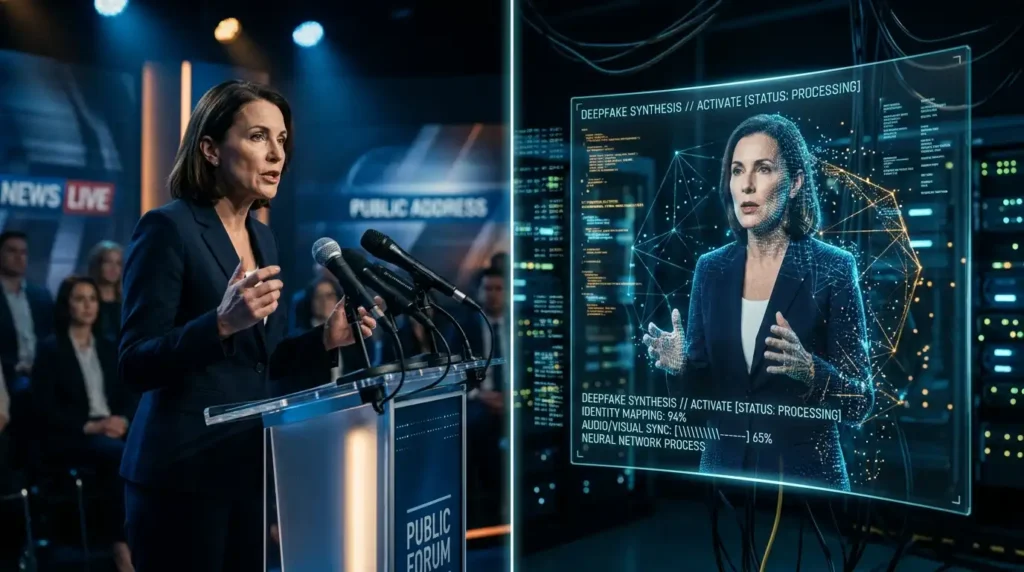
The Actual Malice Standard and AI-Generated Falsity
Under established legal precedent set by New York Times Co. v. Sullivan, public figures and political candidates pursuing defamation claims must prove “actual malice”—meaning the defendant published a false statement with knowledge of its falsity or with reckless disregard for the truth. In the realm of AI deepfakes, establishing actual malice presents unique strategic advantages and evidentiary hurdles:
- Knowledge of Falsity: Unlike subjective opinions or misinterpreted quotes, a fabricated synthetic video or cloned voice recording is inherently false. Creating or knowingly circulating a generated event that never occurred provides strong circumstantial evidence of actual knowledge.
- Reckless Disregard: Political operatives or media outlets that publish synthetic media without basic verification, red-flag checks, or provenance tracing may meet the threshold for reckless disregard, particularly when digital forensic tools easily identify synthetic artifacts.
- The “Liar’s Dividend”: A rising challenge in deepfake litigation is the inverse defense: public figures falsely claiming authentic, incriminating footage is an “AI-generated deepfake” to escape accountability.
Platform Immunity: Section 230 and Content Moderation
A primary bottleneck in curbing deepfake dissemination is the liability buffer enjoyed by online social media platforms and hosting services. Under Section 230 of the Communications Decency Act (47 U.S.C. § 230), interactive computer services are generally immune from liability for third-party content published on their networks.
However, platform immunity is not absolute in synthetic media litigation:
- Content Co-Creation: If a platform provides custom generative AI tools or actively assists in generating or editing deepfake media, it may lose Section 230 immunity by being classified as an “information content provider.”
- Terms of Service Enforcement: While tort claims may face Section 230 hurdles, victims frequently leverage breach of contract or platform-specific emergency takedown protocols regarding election integrity to remove viral synthetic media.
State Regulations vs. First Amendment Challenges
In response to legislative gaps, dozens of state jurisdictions have enacted election-specific deepfake statutes. These state laws generally restrict or mandate clear disclosures for “materially deceptive media” targeting political candidates within specific pre-election windows (often 60 to 90 days before an election).
Despite legislative momentum, statutory bans encounter rigorous First Amendment scrutiny:
- Strict Scrutiny: Restrictions targeting political speech must be narrowly tailored to serve a compelling state interest. Overly broad statutes risk being enjoined or struck down by courts for chilling protected political satire, parody, or commentary.
- Mandatory Disclaimers: Laws requiring clear, conspicuous labeling (e.g., “This media has been synthetically altered”) are generally viewed as more constitutionally sound than outright bans, striking a balance between voter transparency and free expression.
Digital Forensics and Immediate Injunctive Relief
Because electoral damage occurs rapidly, monetary damages awarded months or years after an election are insufficient remedies for targeted candidates. Litigating political deepfakes relies on securing immediate temporary restraining orders (TROs) and preliminary injunctions.
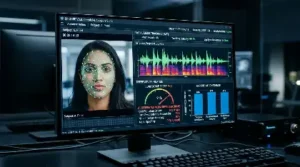
To succeed, legal teams must rapidly deploy forensic audio and visual analysis, establishing C2PA metadata tracking, watermarking indicators, and neural network detection logs to prove synthetic fabrication to a court within hours of publication.
Future Outlook for Political Deepfake Litigation
As generative models become further integrated into political communication, legal accountability will increasingly rely on supply-chain liability frameworks—holding AI developers, compute providers, and distribution networks accountable for implementing robust provenance standards, digital watermarks, and proactive deepfake detection mechanisms.